
Starting affiliate marketing can feel overwhelming when you are faced with landing pages, email lists, follow-up messages, traffic, and dozens of possible tools. An Easy Commission Funnel can simplify that process by giving beginners a clearer path from attracting attention to introducing an offer. Instead of sending people directly to a product and hoping they buy, you can create a simple journey that educates visitors, builds trust, and makes the next step easier to understand.
This guide explains how to approach your first affiliate funnel with Easy Commission Funnel, what each stage is designed to do, and how to avoid common beginner mistakes. The goal is not to promise instant commissions. Affiliate results vary based on your offer, audience, traffic, skills, consistency, and overall strategy. However, a well-planned funnel can give your online business a more organized foundation.
What an Easy Commission Funnel Actually Does
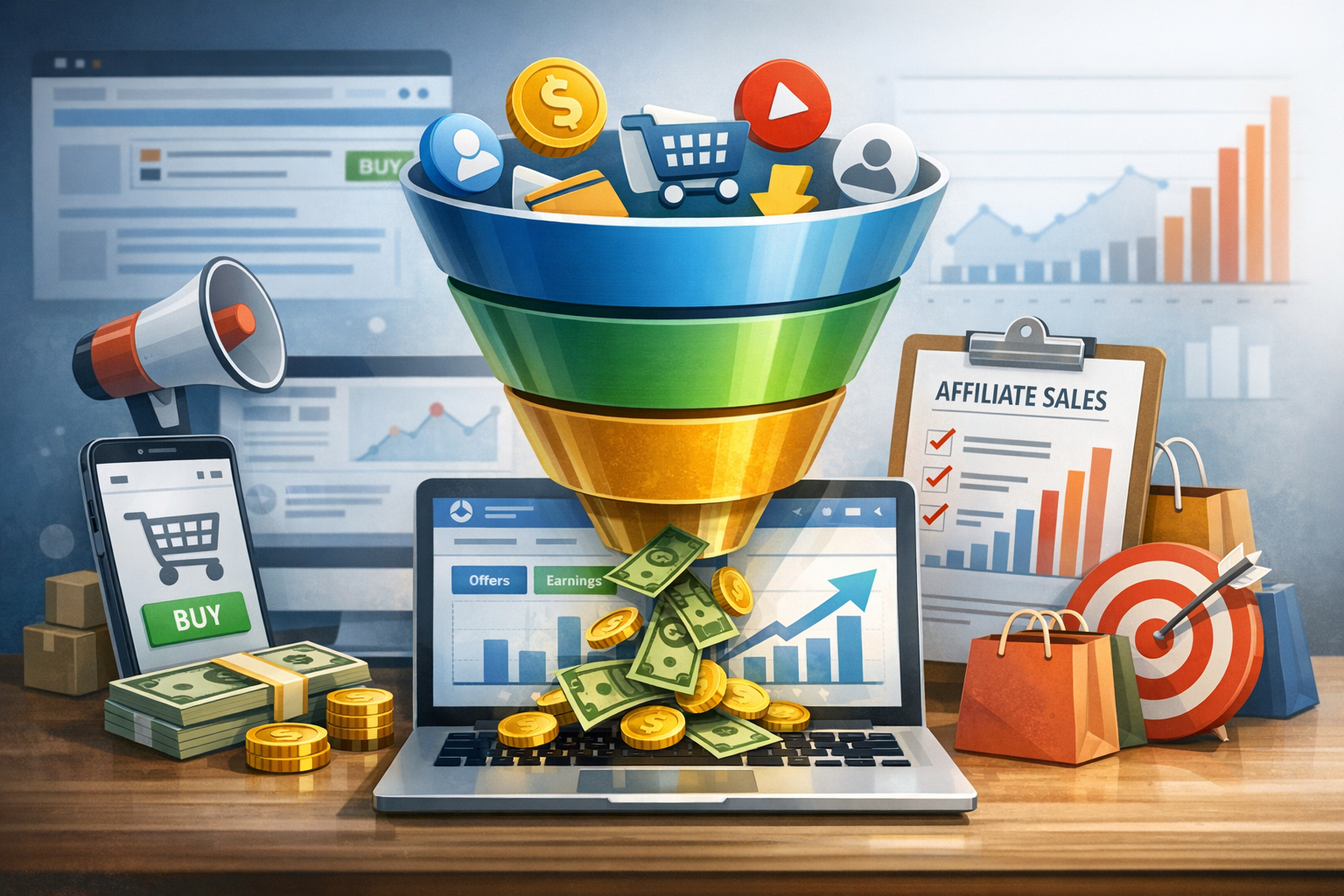
An affiliate funnel is a sequence of steps that guides a potential customer toward an affiliate offer. A basic funnel may include a traffic source, a capture page, a thank-you page, helpful information, and an offer. Each step has a purpose, so visitors are not immediately confronted with a sales message before they understand what they are considering.
Easy Commission Funnel is designed around this beginner-friendly concept. Rather than trying to build every technical element from scratch, you can use a structured funnel approach to support lead generation and affiliate promotion. This can be useful if you want to start an online business but do not yet have advanced web design, coding, or email marketing experience.
A funnel does not replace good marketing. It simply helps organize it. You still need a relevant audience, a useful message, an appropriate offer, and a responsible plan for attracting visitors.
Why Use a Funnel Instead of a Direct Affiliate Link?
Direct links can be convenient, but they often leave you with little control over the visitor experience. Someone may click an affiliate link, browse briefly, and leave without taking action. If you have no way to continue the conversation, that visitor may be gone permanently.
A funnel can improve the process in several practical ways:
- It creates context: Visitors can learn why an offer may be relevant before they see the promotion.
- It supports lead generation: A capture page may give interested people a way to join your email list, where appropriate and with proper consent.
- It makes follow-up possible: Helpful emails can answer questions and provide additional education.
- It gives you a repeatable process: You can measure and improve one stage at a time.
- It can reduce technical complexity: A structured funnel may be easier for a beginner than assembling multiple disconnected tools.
These benefits are not guarantees of sales. They simply create better conditions for communicating with the right people. If you want to review the basic concept before building your strategy, you can learn more about Easy Commission Funnel and decide whether its approach fits your goals.
How to Plan Your Easy Commission Funnel
Before sharing links or creating social media posts, make a few important decisions. Planning first helps you avoid building a funnel that tries to serve everyone and communicate too many unrelated messages.
1. Choose one audience
Think about the type of person you want to help. This might be a beginner exploring affiliate marketing, a busy employee looking for a side hustle, or a new online entrepreneur who needs a simple lead-generation system.
A focused audience makes your content more useful. For example, “people interested in online business” is broad. “Beginners who want a straightforward way to learn affiliate funnel basics” gives you a much clearer direction for your posts and emails.
2. Select one relevant problem
Your funnel should address a specific challenge. Common problems include not knowing where to begin, having no process for collecting leads, or feeling unsure how to introduce affiliate offers without sounding pushy.
Write down the problem in one sentence. Then make sure the content and offer connected to your funnel genuinely relate to that problem. Relevance is more important than trying to promote several products at once.
3. Define the next action
Every funnel needs a clear next step. Depending on your setup, that action could be joining an email list, reviewing an educational resource, watching a presentation, or exploring an affiliate program.
Avoid asking visitors to do five things at once. A single, understandable call to action usually creates a better user experience than a page crowded with competing buttons and links.
Building the Main Funnel Stages
Stage one: Attract the right visitors
Traffic is the beginning of the funnel, but not all traffic is equally valuable. Your objective is not simply to collect clicks. It is to attract people who are likely to care about the problem your funnel addresses.
Beginner-friendly traffic sources may include educational blog posts, short-form videos, social media content, online communities where promotion is allowed, and an email list you have built with permission. Each channel has different rules and expectations, so read platform policies before posting affiliate links or promotional material.
Useful content ideas include explaining common affiliate marketing mistakes, showing how a lead funnel works, comparing direct promotion with email follow-up, or sharing a checklist for evaluating an online business opportunity. Teach something specific instead of posting vague income-oriented messages.
Stage two: Use a focused capture page
The capture page should quickly explain who the funnel is for and what a visitor can expect by continuing. Keep the message simple. A clear headline, short benefit-oriented explanation, and visible call to action are often more effective than a page filled with technical details.
Do not use misleading claims such as guaranteed earnings, effortless income, or instant success. Ethical marketing makes it clear that affiliate marketing takes learning, testing, and consistent work. If an email address is requested, explain what subscribers will receive and respect unsubscribe requests.
With an Easy Commission Funnel, the capture page and surrounding process can help provide structure for this stage. You can explore the funnel to see whether it offers a practical starting point for your audience and content plan.
Stage three: Provide a useful next page
After someone takes the initial action, the next page should continue the conversation rather than creating confusion. Thank the visitor, explain what happens next, and direct them toward the most relevant resource or offer.
This is a good place to set expectations. Tell people what they are about to review and encourage them to make an informed decision. A transparent explanation can build more trust than exaggerated praise.
Stage four: Follow up with helpful email content
Email follow-up is one of the most valuable parts of a funnel because people often need time before making a decision. A simple sequence might include:
- Welcome email: Confirm what the subscriber requested and introduce the topic.
- Education email: Explain one useful concept, such as the difference between traffic and leads.
- Practical email: Share a checklist or beginner action plan.
- Offer email: Present the relevant affiliate opportunity and explain who may benefit from exploring it.
- Reminder email: Answer a common question without creating artificial urgency.
Keep promotional messages balanced with genuinely useful information. Never add people to a list without appropriate permission, and follow applicable email marketing laws and platform requirements.
How to Create Content That Supports the Funnel
Your content should lead naturally to the funnel. If a post discusses email list building, the related call to action might invite readers to explore a funnel designed for beginners. If a video explains why affiliate marketers need a follow-up process, you can direct viewers to a resource that demonstrates that process.
Use the same basic language across your content and funnel. If your social media post promises a beginner explanation, the landing page should not suddenly use advanced technical language. Consistency reduces confusion and helps visitors understand that they are in the right place.
Consider building content around questions your audience is already asking:
- What is an affiliate sales funnel?
- How can a beginner collect leads ethically?
- What should I include in a follow-up email?
- How do I choose an affiliate offer that fits my audience?
- What should I track when testing a landing page?
Answer one question per piece of content. Over time, these educational resources can support your funnel without making every post feel like an advertisement.
What to Measure and Improve
Tracking helps you identify where visitors stop moving through the funnel. Useful measurements may include page visits, opt-in rate, email opens, link clicks, and conversions. The exact numbers will vary by traffic source, audience, device, and offer, so avoid comparing your early results with someone else’s claims.
If many people visit but few join your list, review the headline, page clarity, and relevance of the traffic. If people join but do not click your emails, improve the subject lines and make the content more useful. If clicks occur but sales do not, examine whether the offer matches the audience and whether your explanation sets accurate expectations.
Change one major element at a time when possible. Testing the headline, call-to-action wording, or email subject line separately gives you a better chance of understanding what influenced the result.
Common Beginner Mistakes to Avoid
Promoting too many offers
Several unrelated offers can make your funnel difficult to understand. Start with one audience, one core problem, and one relevant affiliate offer.
Using hype instead of helpful information
Claims about effortless passive income may attract attention, but they can damage trust and violate advertising rules. Explain the work involved and let readers make their own decisions.
Ignoring the follow-up process
A capture page alone is not a complete marketing strategy. Prepare useful follow-up content so subscribers receive value after joining your list.
Quitting before learning from the data
Early results may be inconsistent. Review your traffic quality, message, and funnel steps before deciding what needs to change. Improvement usually comes from careful testing rather than random rebuilding.
Getting Started Responsibly
The best first step is to keep your funnel small enough to manage. Choose an audience, identify one problem, create a clear message, and connect that message to a relevant Easy Commission Funnel experience. Then publish useful content that attracts people who genuinely care about the topic.
If you are ready to review a beginner-oriented starting point, get started with affiliate marketing by exploring the available funnel information. Treat it as a resource to evaluate, not a promise of results. Read the details, consider whether it matches your audience, and make decisions based on your own goals and circumstances.
Conclusion
An Easy Commission Funnel can help beginners organize the basic parts of affiliate marketing: attracting relevant visitors, capturing leads, providing education, and presenting an offer at the right point in the journey. Its value comes from having a clear process, not from avoiding the work required to build trust and generate traffic.
Start with one audience and one problem. Create useful content, use transparent calls to action, follow up respectfully, and measure what happens at each stage. With consistent learning and responsible marketing, your funnel can become a practical part of your broader online business strategy. Results are never guaranteed, but a focused process gives you a more informed way to improve over time.